A child or a pet locked in a car on a summer day is an emergency for police and fire crews, and 911 comes first, every time. A closed car heats up quickly in the beach sun, even with the windows cracked. Once everyone is out and safe, the car becomes an ordinary lockout.
Keys get locked in the car with the cooler and the umbrella, or left on the seat while everyone heads for the sand. Give the street and the nearest cross street, and wait where you can see the car without standing in traffic.
Summer weekend traffic on the bridges to the island is real, and the arrival window you're given takes it into account. If parking on that block is limited to certain hours, mention it.
A renter locked out of the car often has the house key on the same ring. If both are inside the car, say so when you phone, since it may make sense to open the car first and let everyone into the house. The rental agreement and your ID are what the technician needs for the car.
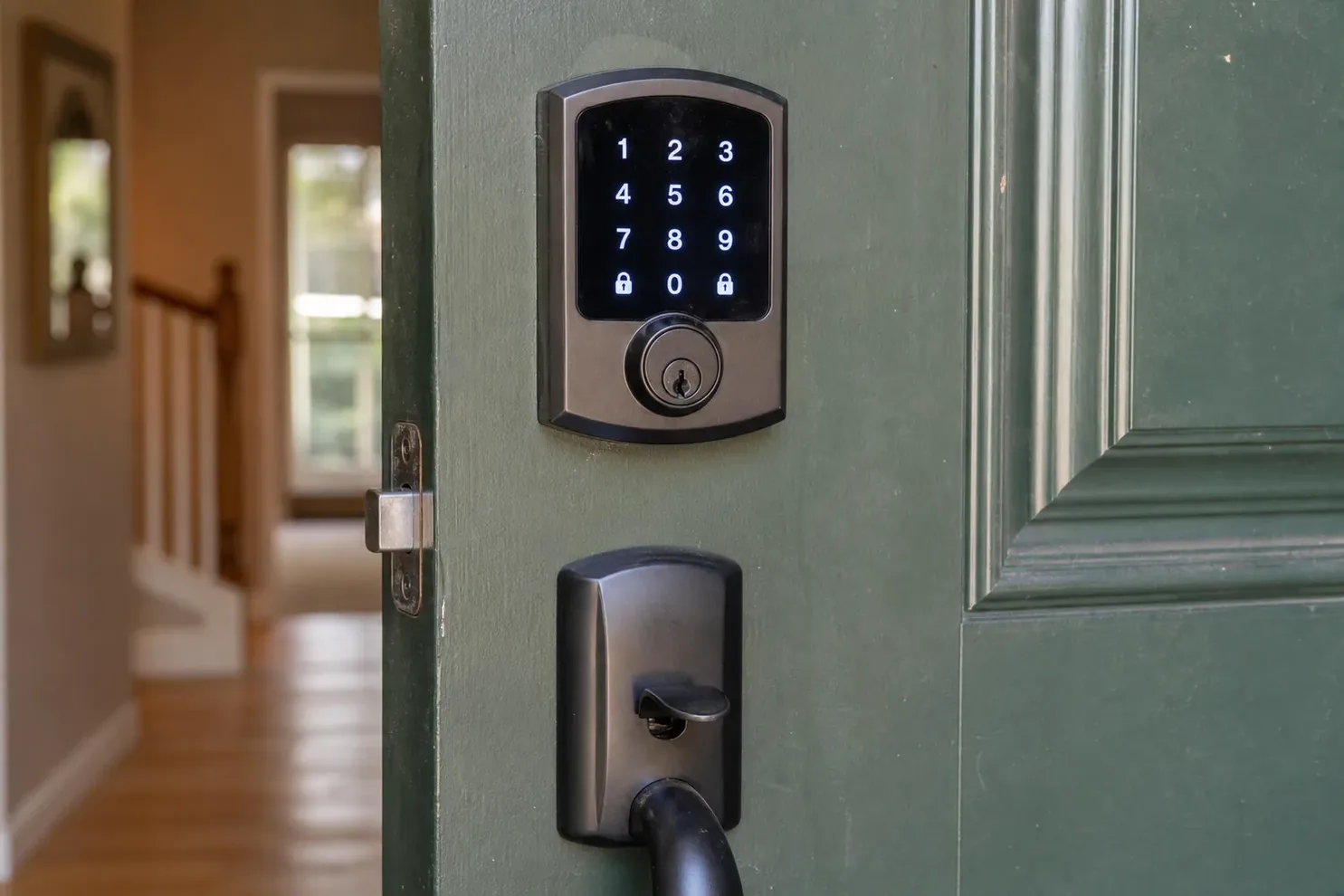
If the house has a keypad and you know the code, get everyone inside first. A kitchen table is a better place to wait than a hot driveway, and the technician can phone you there.
Early starts at the launch ramps mean lockouts in the dark, often with a boat already in the water or a trailer hitched up. Give the launch and describe the rig, and if you're on the water with the keys locked in the car, say where you'll tie up. The car and the trailer stay exactly where they are while the door is opened.
Launch lots empty out fast after sunrise and fill up again in the late afternoon. If you're locked out while the lot is busy, stand near the car so the technician isn't searching a row of identical trucks and trailers, and keep any fishing gear or coolers you need for the day out of the way of the driver's door.
Shopping plazas along the main highways and the big lot at the mall are busy all year, and every row looks the same once you're standing in it. Tell us which store is nearest the car and which door you'll stand by. Waiting inside, out of the heat or the wind, until the technician phones to say they're close is perfectly fine.
On a busy Saturday in summer, the plazas fill with visitors who don't know the area. If you can see a sign, a light pole number or a cart corral near the car, mention it; small landmarks like those save a lot of circling.
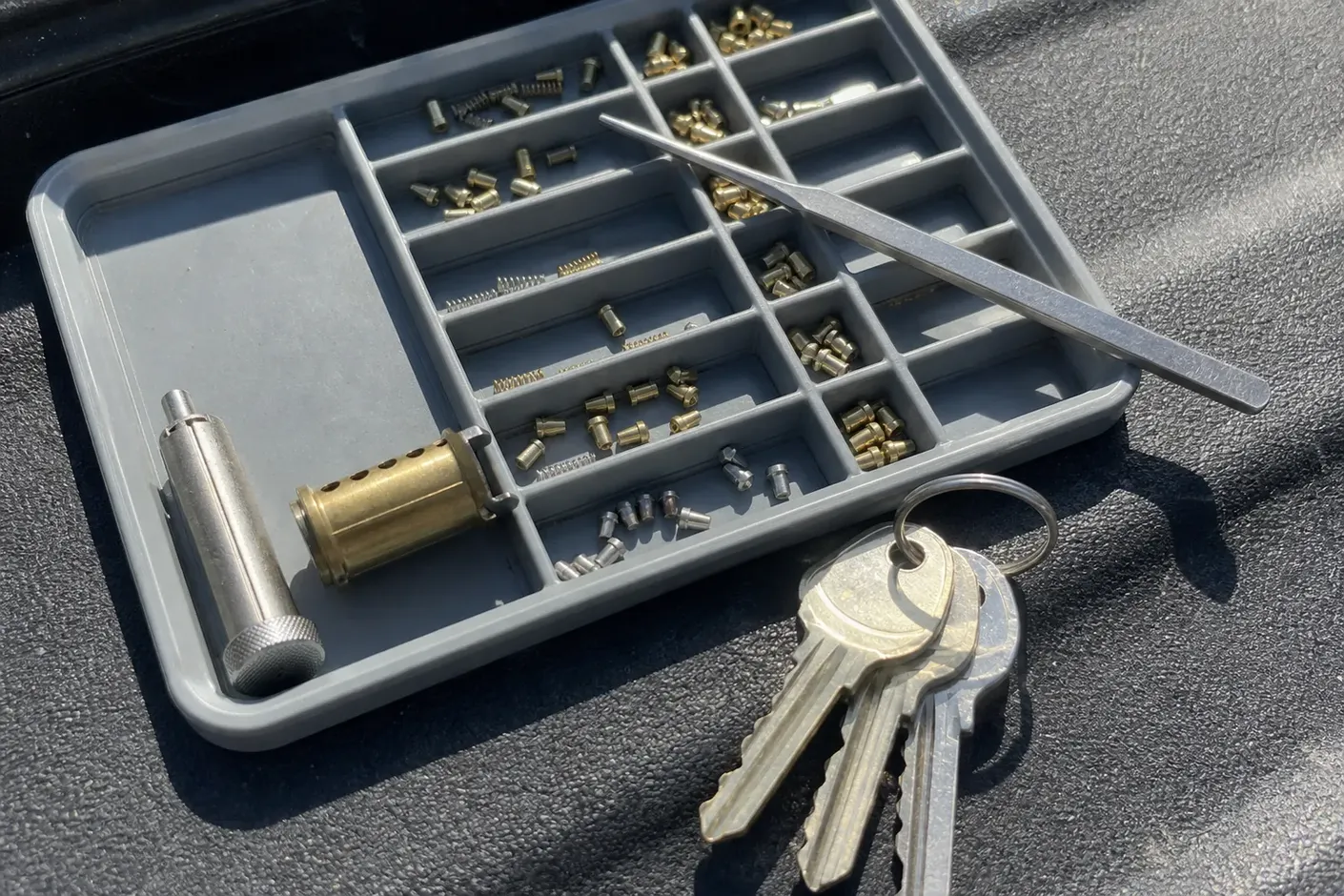
When the keys are sitting on the seat, the visit is over once the door is open. When they went into the surf, fell somewhere on the boardwalk or rode home in a friend's pocket, the door comes first and the new key second, made right there for most makes, and the missing one is taken out of the car's memory. Tell us which it is on the call.
The technician checks your ID against the registration, or the rental contract, and papers left inside the car are checked as soon as it's open. Start the engine and test the fob before the technician goes. Down to one key? Having a spare made during the same visit saves a repeat of this day, and it's part of the free estimate before anything is cut.
Give the street and cross street, and wait where you can see the car.
Say so when you phone. The car is opened first, and then you're into the house.
Give the launch and describe the car and trailer. Nothing needs to be moved.
Call 911 first, every time.
Name the closest store and the entrance where you'll wait.
Say they're lost when you call; most makes can get a new key right there at the car.
What's involved, and the free estimate, before the technician starts on the door.
Tell us your street and we send a tech.