Shore businesses change hands and hours with the season. Opening day needs locks that work and keys that only the right people hold; closing up for winter needs a door that stays shut.
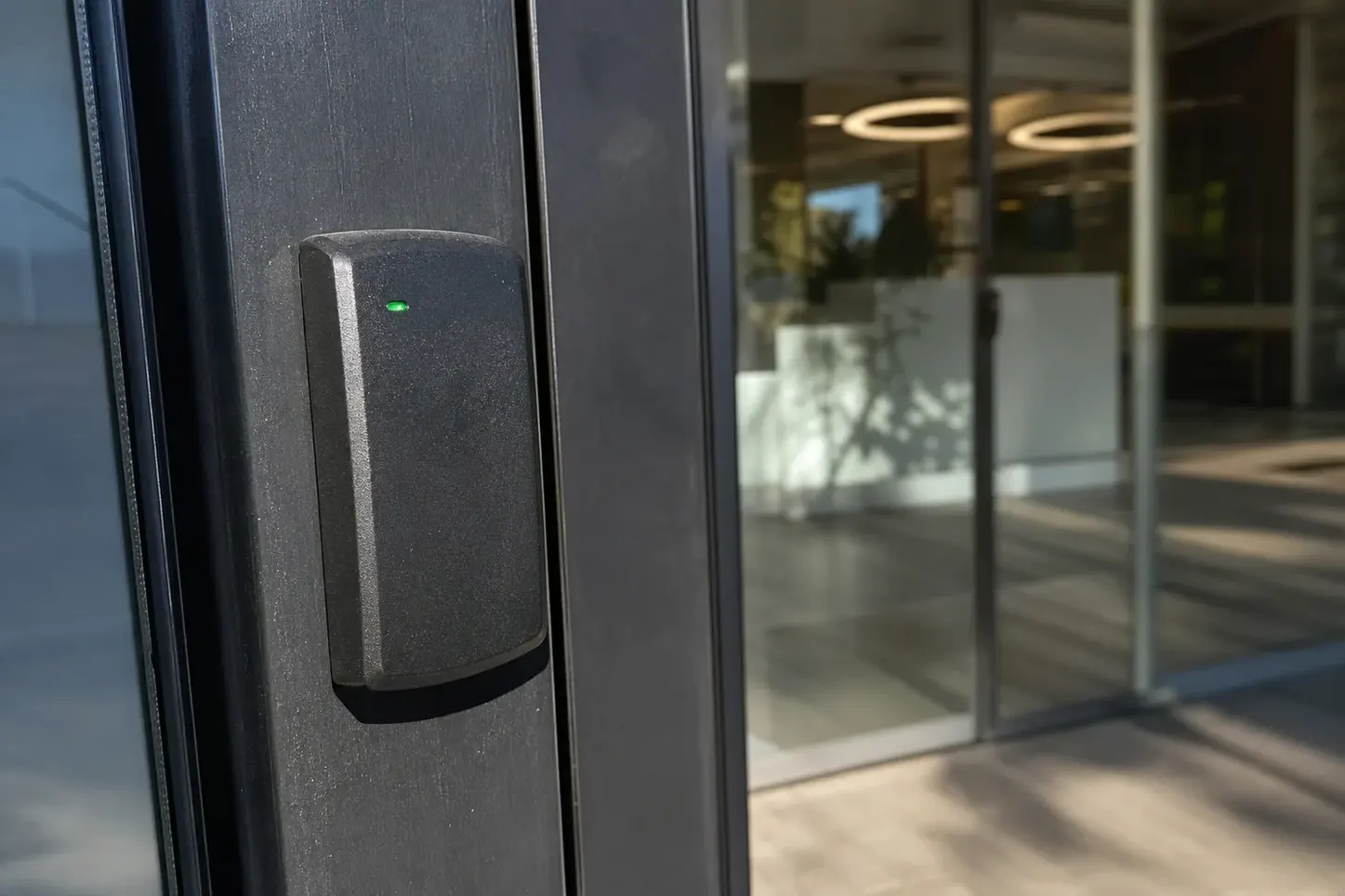

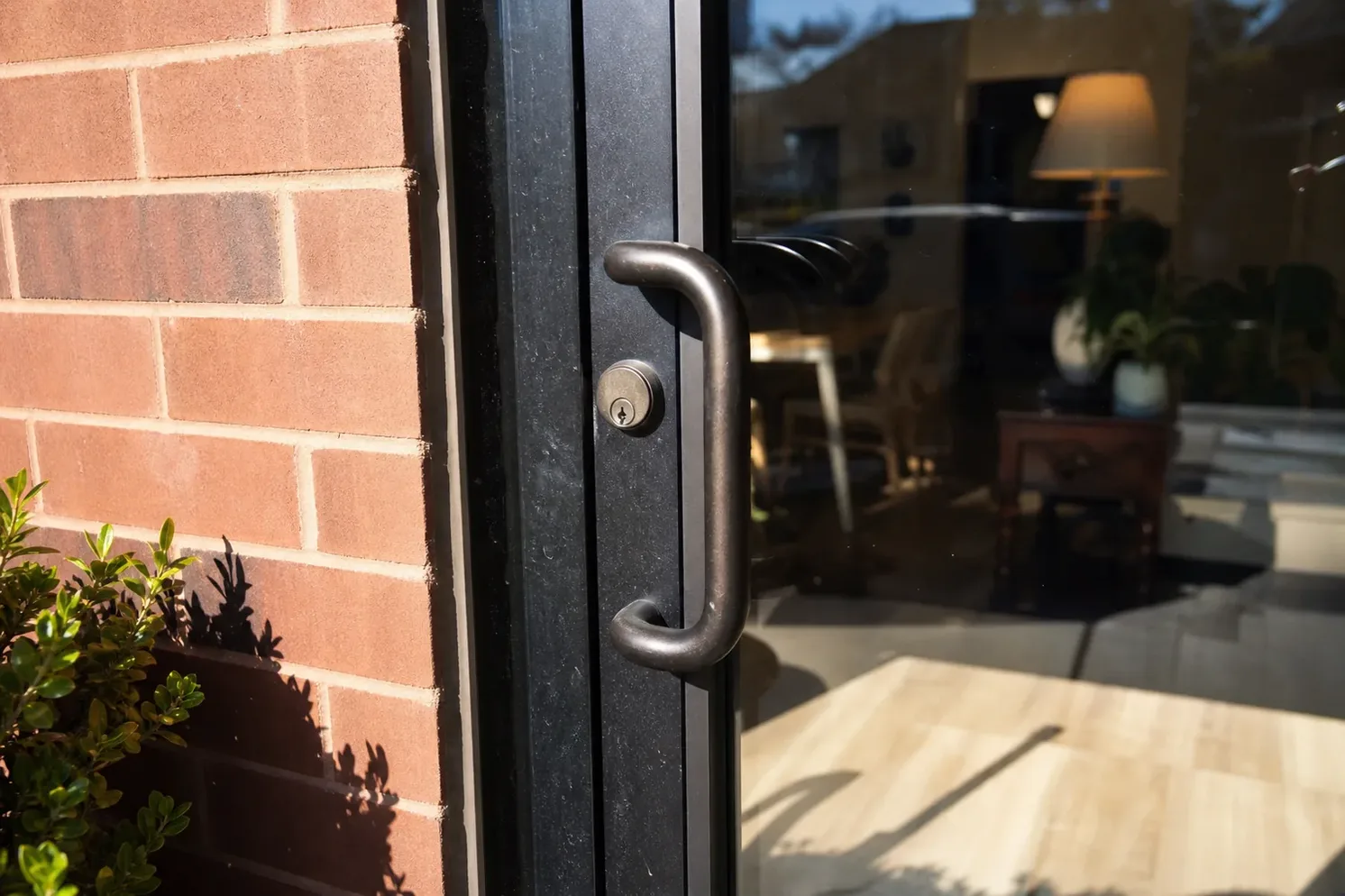
Units rekeyed between tenants, with a record of every key.
Storefront deadlocks, exit hardware and closers kept in working order.
Broken hardware swapped out so the shop can close up securely tonight.
Timed around your hours, not ours. The shop safe can get a fresh combination for the new season too; see safe locksmith service.
Which doors, what's wrong, and when the shop is quiet.
Only the owner or a manager can approve lock changes.
Rekeys, repairs, or new hardware rated for commercial doors.
Fresh keys, and a written list of the doors each one works.
Every job starts with a free written estimate.
A seasonal business hands out keys every spring and rarely gets them all back in the fall. Rekeying the cylinders means last summer's keys stop working, and the locks on the doors stay as they are.
Owners who want to control copies can use restricted keys that a hardware counter can't duplicate, and a master key lets the owner open every door while each employee's key opens only their own.
Yes. Last season's keys stop working door by door, typically in one trip.
Yes: one key for the owner that opens every door, and staff keys limited to their areas.
Yes, and keypad codes can be reset at turnover as well.
Yes. Early mornings and evenings keep the work out of the way.
The damaged lock or hardware is replaced so the building can be locked the same day.
Yes. Doors, gates and padlocks are checked and secured for the months the shop sits empty, and any lock that's rusting is replaced before the salt air finishes it.
Yes, on doors that close and latch cleanly. Codes can then be changed between guests instead of chasing keys at checkout.
That's the door to rekey when the season ends. A restricted key for the next year keeps copies under your control.
Yes. A slamming closer is adjusted or replaced, which also stops it knocking the latch out of line over the summer.
Many of them: gates, padlocks and storage room doors. Describe the door on the call so the right hardware comes along.
Rekey every exterior door before the stock moves in. The previous owner's staff may still have keys, and rekeying ends that on the first visit.
Yes, in writing, before any door is touched.
Doors close to the water take a beating: salt corrodes the latch, sand gets into the track of a sliding door, and a closer that's out of adjustment slams the frame all summer. A short service visit before the season keeps a shop from finding out the lock is seized on opening morning.
A shore business lives by two dates: the weekend it opens and the day it closes up. Before opening, every door the staff will use should lock cleanly and every key from last year should be accounted for. After closing, the building should stay locked tight for months, with nobody expected to check on it every day.
Along the boardwalk and on the island, salt and sand are the usual culprits. A padlock left outside all winter rusts shut, a sliding door's track fills with grit, and a latch that worked in June grinds by September. In downtown Toms River and along Route 37 the wear is more ordinary: busy doors, tired closers, keys that changed hands too many times.
If the business shares a building, a strip-center entrance or a hallway with other tenants, those common doors are the landlord's to decide on. Tell us who manages the building and the work is coordinated with them, so your own doors get done without a dispute over the shared ones.
Have the owner or manager's OK ready, a list of the doors, and a count of how many keys each person needs. The visit leaves you with doors that lock, keys handed to the right people, and a written record to check against next season.