If anyone could be hurt, whether a child or a pet in a car, someone inside a house who can't come to the door, a smell of gas, or water rising around a car with someone in it, call 911 first. Rescue crews handle those situations. A lock can wait until everyone is out of danger.
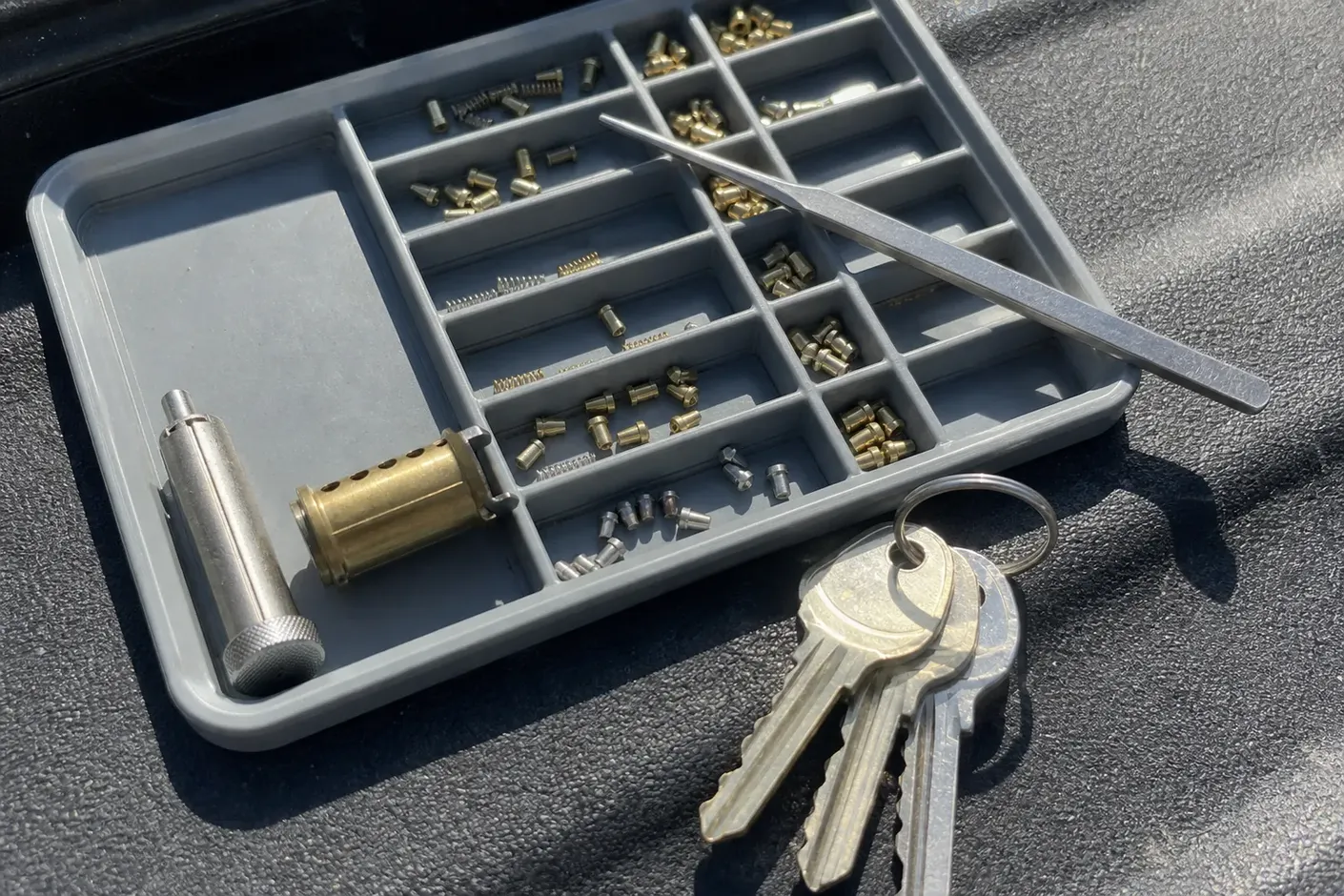
Salt water that gets into a lock doesn't leave cleanly. Once it drains, it leaves grit and salt behind, and the lock can stiffen or seize over the following days. A door that sat in water can also swell until the bolt no longer lines up with the frame.
If a door won't lock after a storm, making it secure for the night comes first. Don't force a key that won't turn; a snapped key inside a salt-damaged lock turns a stiff cylinder into a replacement. Tell us the street flooded when you phone, so the right parts come along.
Empty summer houses are sometimes found with a door forced over the winter. If you discover one, or a neighbor calls to tell you about it, contact the police first and ask for a report. Take photos of the door, the frame and the lock, or ask the person on site to take them.
After that, the door gets made lockable. For an owner who is hours away, a local contact can meet the technician, and the go-ahead can be given by phone once your connection to the house is confirmed.
Weekly guests lose keys and forget codes, usually late in the evening. The owner or the rental manager can arrange the visit, or the guest can phone with photo ID and the rental agreement. Either way, the technician confirms the guest belongs at that house before the door is opened.
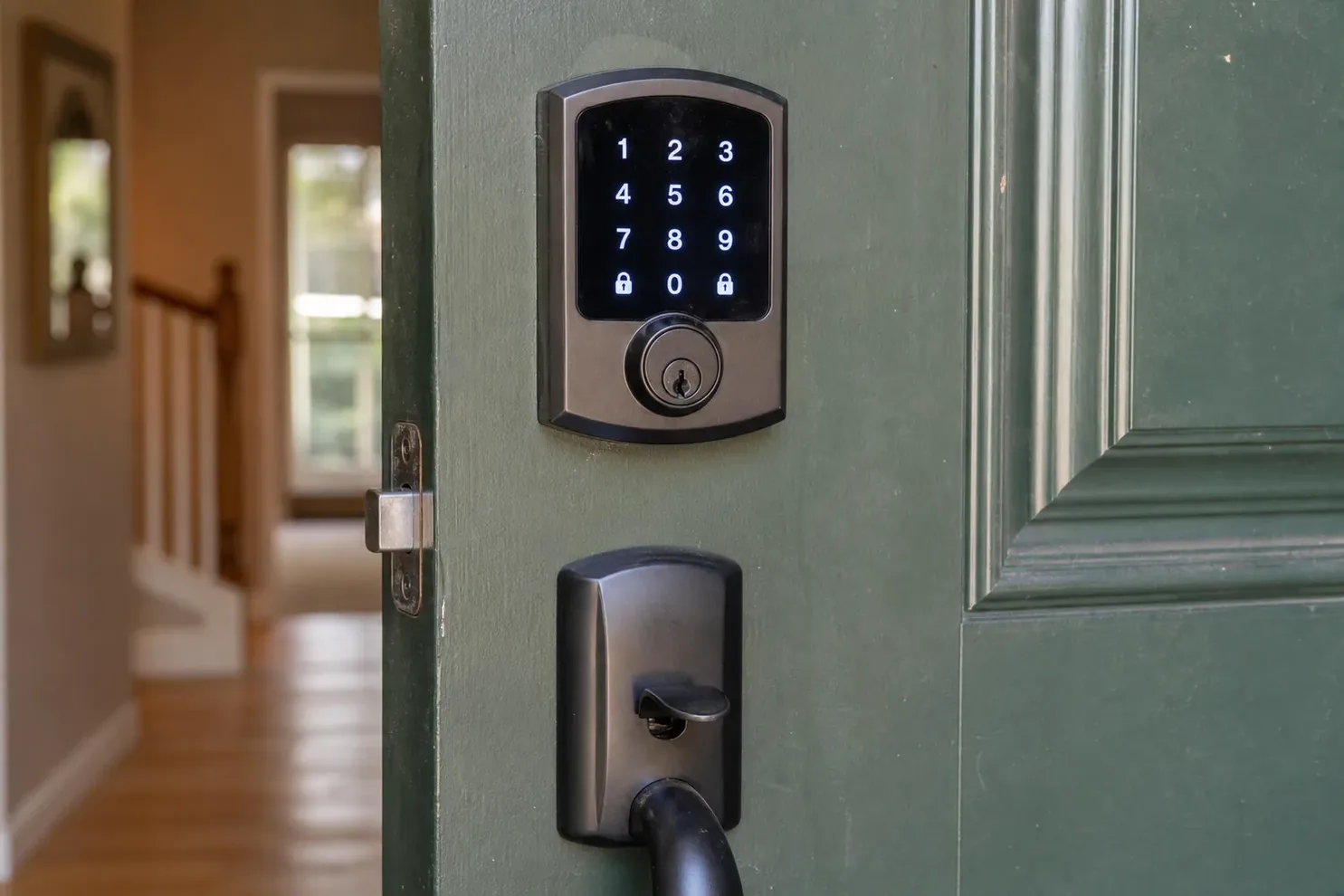
If the lock is a keypad with a code that suddenly stopped working, mention it. It's often the keypad's batteries or a code that was changed between guests, and knowing which saves time.
A shop, a food stand or a bar that can't lock up at the end of a summer night moves ahead of routine work, and so does a key broken off in a roll-down gate or a front door. The owner should make that call, or a manager the owner trusts with the keys, and securing the business is the first job.
In winter, whole blocks near the water can be empty. If you're locked out on one of them, wait in your car with the engine off and the doors locked if it's warm enough, or somewhere lit and public if it isn't. Tell us where you'll be waiting and give a number that can reach you, since the technician may phone as they get close.
If your phone is running low, say so at the start of the call and agree on a spot to wait. On an empty block, a porch light or a parked car with its hazard lights on makes you easy to find.
Expect a check of your ID and something that ties you to the property: a lease, a rental agreement, a utility bill, a deed. The technician explains what's wrong, gives a free estimate, and waits for your yes. The arrival window you're given allows for storms, bridge traffic and summer weekends.
Tell us about the flooding when you phone. Making the door secure for the night comes first.
Get a police report and photos first. Then the door is made lockable, and a local contact can meet the technician.
The go-ahead can be given by phone once your connection to the house is confirmed.
Either of you can call: you as the owner, or the guest with ID and the rental agreement.
Mention it when you phone. It's often the keypad's batteries or a changed code.
The owner or a cleared manager should phone. Securing the shop comes first.
Yes. You hear the estimate before any work begins.
Tell us your street and we send a tech.